
Cost Segregation and Bonus Depreciation: How They Work Together
Cost segregation and bonus depreciation are two separate tax tools that do their best work together. One reclassifies parts of your building into shorter depreciation

Cost segregation and bonus depreciation are two separate tax tools that do their best work together. One reclassifies parts of your building into shorter depreciation

New Jersey taxes real estate income about as hard as any state in the country, which is what makes accelerated depreciation so valuable to owners

You’re considering a cost segregation study, but the pricing seems all over the map. One firm quotes $5,000, another says $25,000. What gives? The cost

The paperwork you gather before starting your cost segregation study directly impacts how much money you’ll save. If you’re a real estate investor or property
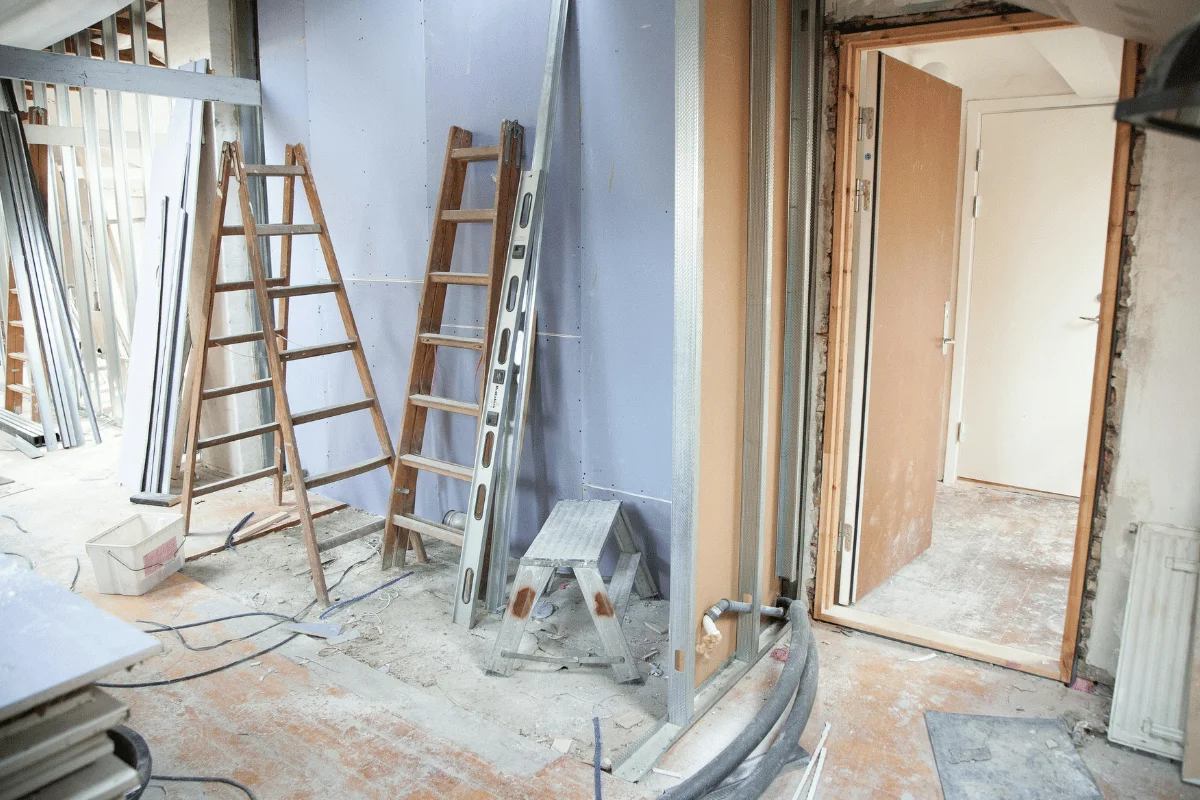
Planning a renovation on a rental or commercial building raises a timing question that can move six figures of deductions: should the cost segregation study

Oregon has no sales tax, so it leans hard on income taxes, and the top individual rate runs to 9.9%. That makes accelerated depreciation valuable

South Carolina keeps drawing new residents and new capital, and prices in Charleston, Greenville, and the coastal markets have moved with the demand. For an

Texas rewards real estate investors in a way most states do not, because it levies no personal income tax on the returns a property generates.
New York hands real estate investors two problems at once: some of the highest acquisition prices in the country and some of the highest taxes.

A cost segregation engineer is the professional who takes a building apart on paper. They inspect the property, identify its components, put a cost on
