
Cost Segregation in Rhode Island: Rules and Savings
Rhode Island runs on a graduated income tax that tops out at 5.99%, and like a handful of other states it refuses to follow federal

Rhode Island runs on a graduated income tax that tops out at 5.99%, and like a handful of other states it refuses to follow federal

New Mexico owners have a real reason to look closely at depreciation right now. The state still lets most investors carry the full federal bonus

Arizona rewards real estate investors in a way few states match, and a cost segregation study is how many of them turn that advantage into
You bought the property and you’re depreciating it over 27.5 or 39 years. Normally, this is the default schedule most investors never question. Every year,

Many real estate investors miss out on tax deductions they are fully entitled to every single year. A cost segregation study can change that. But

Most property owners treat the cost segregation study as the finish line. It rarely is. If you are a real estate investor looking to protect

Pennsylvania pairs a flat 3.07% personal income tax with a rule most investors miss: the state does not follow federal bonus depreciation. That gap changes
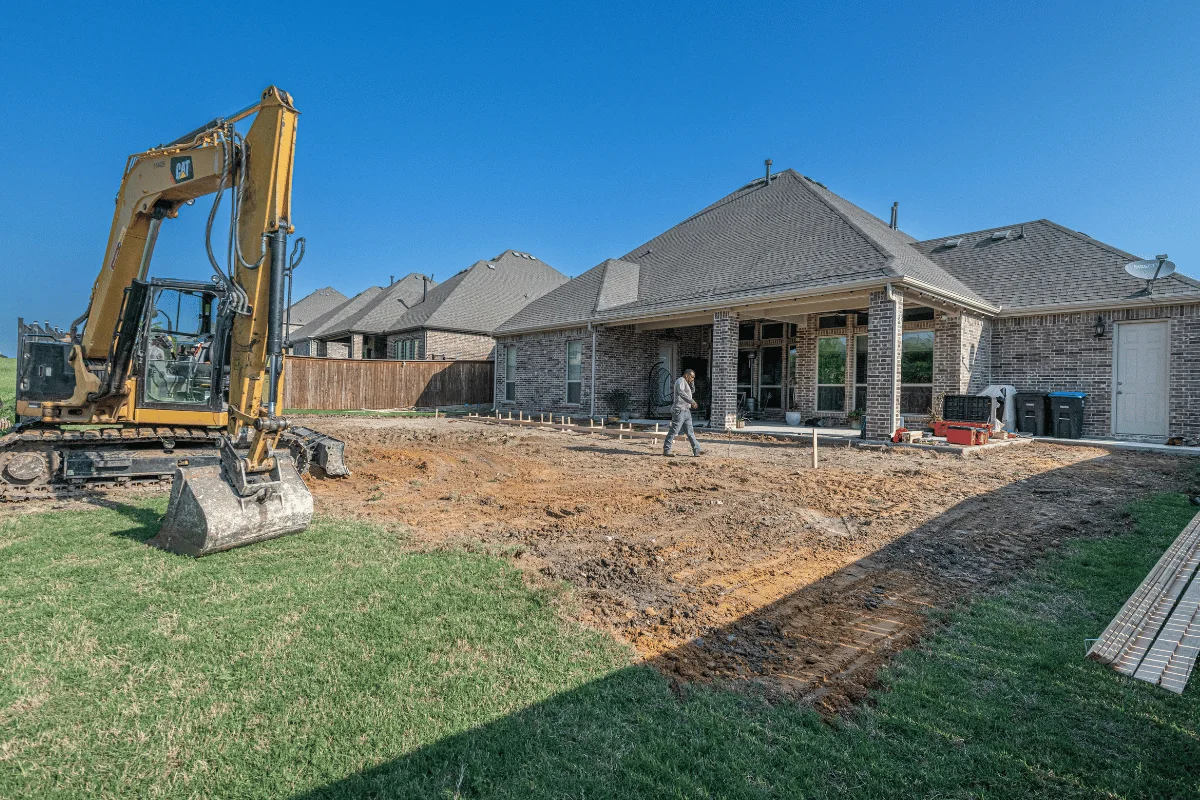
California hands real estate investors some of the largest depreciation deductions in the country, and a cost segregation study is how owners move those deductions
Several tax incentives exist to help investors free up funds to invest more and stimulate economic activity. Cost segregation in real estate is one such

Utah is one of the friendliest states in the country for a cost segregation study, and the reason is structural: the state conforms to the